
On Love

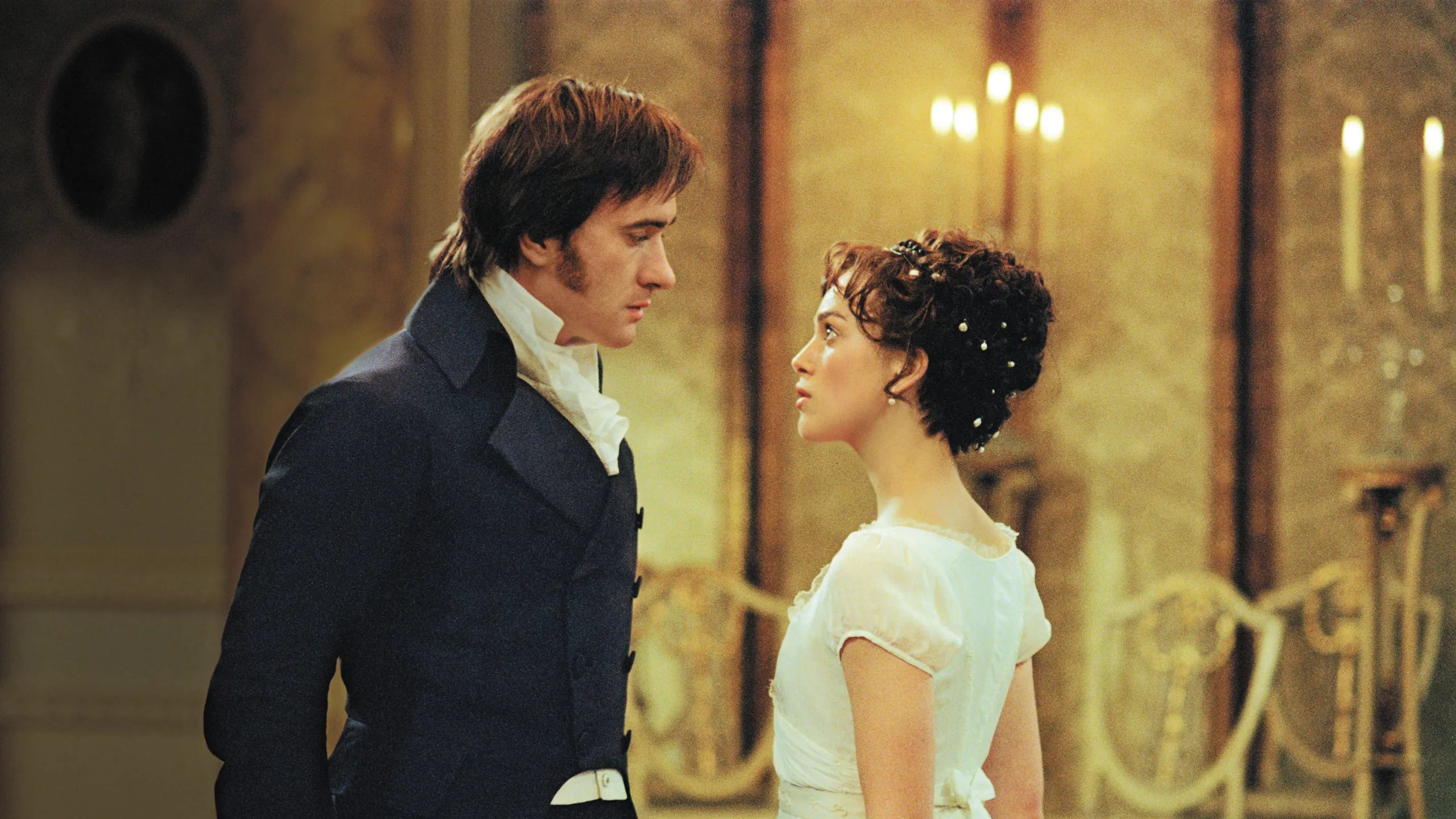
I want badly to believe in love.
Restaurant week at a French spot in Princeton, sat between two couples in half a seat. Picking at my chocolate mousse as they laugh at secret jokes, half-finished sentences. Commenting on other diners while they wait for their drinks—If we’re ever like that, we should kill ourselves, and Oh God, she looks like a flamingo!
The statistic is 50% of marriages end in divorce. It’s too clean a number for me to put much stock in it, but it’s a signal for a larger theme: Marriage is hard. Spending your life with one person, happily, without exit, is a rarity rather than a requirement. It made me, once, look at every couple as a pending end, trying to deduce what would make them break.
Now, the opposite: I wish everyone happiness.
This is optimism rather than a change of heart. I still look at certain couples and see the cracks, the emerging but unspoken flaws. The trophy girlfriend telling her Instagram followers “if he wanted to, he would.” The dumb, golden retriever boyfriends. Moving in with his parents after three months, quitting your job after the engagement. These are bad signs—things often turn for the worst.
But I want to believe they won’t. Out of a self-protection, maybe—wishing bad things on strangers, even predicting them, regardless of their likelihood, feels cruel. It invites a cosmic sort of vengeance. I have no stake in these relationships, besides; it costs me nothing to put my reservations aside, assume nothing but the best.
And I like watching people in love. Love is such an odd trick of the mind; it takes very little self-convincing. There are socially prescribed patterns, rituals, actions that encourage and enforce love. Flowers on every date. The man pays. Your chair pulled out, your bag held. A confirmation text eight hours before the date. Height, weight, facial symmetry. Income. Distribution of responsibility. Boxes that, once checked, one can announce themselves in love and loved with reasonable evidence.
There is a kernel of truth to that. Levels of effort which are difficult to dedicate without preexisting care and interest. Litmus tests of someone’s inner emotions. These can change, though, or lie. A metric relates only what is actually measured, not always what it is meant to measure.
I think of this watching Love is Blind, fascinating to me for how easily a person can convince themselves of love, then renege. Everyone calls them liars, manipulators—true in some cases, not so in others. It is easy, I think, for the attention to skip over small issues and land upon that which corroborates and encourages an existing desire, or a desire to desire. Love and its pressures make us fickle, hasty.
No, I love watching people in love. Sitting on the Spanish steps, every other eye turned to a mild Roman sunset, I watch as a boy lifts a girl onto a railing, tilts his head up to kiss her. They are utterly engrossed in each other. A thousand sunsets do not matter; the rise and fall of empires mean nothing. They are, in the moment, each other’s world.
Love changes; people change. How you love and what you love in a person cannot rightly remain the same, but in that case, might we be able to convince ourselves to love anyone? If the conditions under which love began change, the love should go—when it doesn’t, it is by some concerted effort or magical thinking, which might invalidate the idea of love altogether.
The point being intention, and choice. You choose towards someone; you know you can also choose away. Even if social pressure removes the possibility of an exit, you do not have to feel anything you do not feel. And to an extent, you determine what you feel, and about what, and what it means for your relationship.
This is true of any relationship: family, friends, coworkers, classmates, strangers. To be human is to seek relation.
I read love poems knowing nothing about love. I felt them deeply as though I did. I felt them deeper than I did in love. I wrote more, too.
It is a subject iterated upon since before the human, since the love that created the human. It is a story told a billion ways. Why do we keep telling it? Because it feels novel every time, regardless. Like something worth documenting.
We try to ascribe a science to it. A healthy skepticism. Hormones, genetics, evolution. Valentine’s Day was created by holiday card companies. Of course Ghirardelli wants you to give chocolates to your lover. All this has truth to it, all this plays a role. And yet, something else persists. Organic, sourceless.
Something lovely, sometimes, in the silliness love brings you. The concentration of your attention on one person. Worries that did not exist before, but also new joys. Terrible things as well it brings—sorrow, distraction, injury, humiliation. And with very little way of knowing for sure beforehand what sort of love you have let in, if love at all.
And yet we do it; we fall in; fall out; we meet; we seclude, we embrace; reject. Such an oeuvre of first-hand accounts from which to build a decision theory, and yet we repeat every mistake. We suffer every consequence for the hope of happiness. We undergo every trial.
As if to love is part of the human condition. An access to the right sort of life, a way to be singular even when not. To connect. Like I said—the desire to desire, of desire. More powerful, maybe, than the desire of anything else.
God, you are brilliant. The desire to desire to desire! I love you.